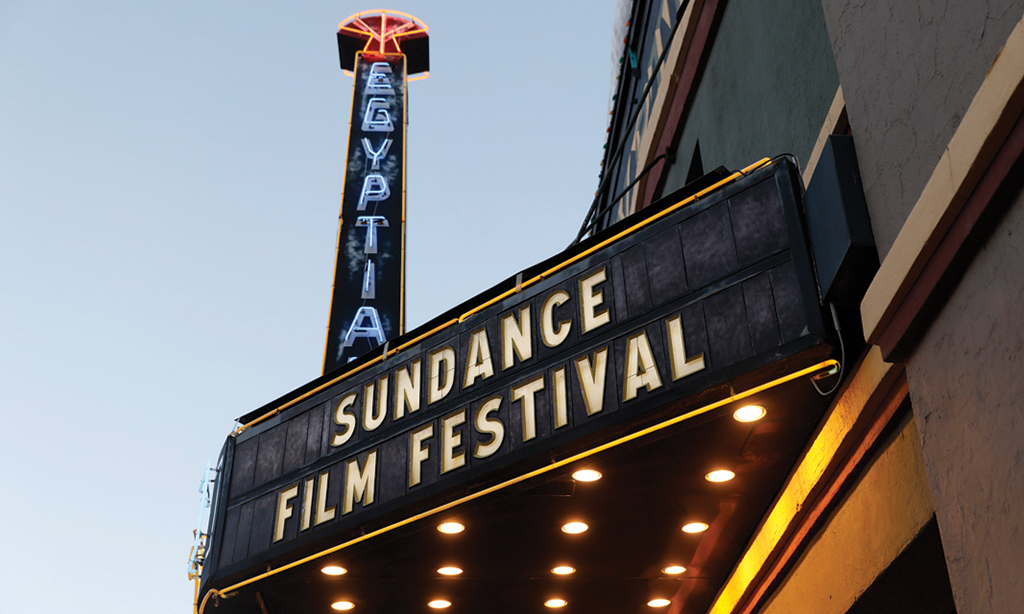
Since the 2026 Sundance Film Festival—the final edition in Utah—ended on Feb. 1, Main Street feels quieter than usual. , quite possibly because the Egyptian Theatre, the historic heart of Park City premieres, is not being used to show films. For decades, it’s been the place where indie films found their first audiences, where filmmakers gifted audiences their hard work, and where crowds erupted in laughter, tears, and applause. But this year, it hosted live panels and performances.
The Egyptian Theatre, opened in 1926 and has since become a Park City landmark and a key venue for Sundance premieres. It’s smaller, more intimate than the Eccles Theatre, which means every laugh, gasp, and cheer feels lively, intense, and connected. As the festival heads to Boulder, Colo., next year, the building serves as a quiet reminder of how much a room can shape the movies and performances we love.
The Egyptian’s Most Iconic Screenings
Some of Sundance’s most unforgettable moments unfolded on screens inside the Egyptian. Quentin Tarantino’s Reservoir Dogs premiered here in 1992, a raw, thrilling debut that left audiences buzzing long after the credits rolled. Its witty dialogue, non-linear storytelling, and shocking violence felt unlike anything else at the time, making viewers feel as though they had just witnessed the arrival of a bold new voice in independent film.
Years later, the Egyptian hosted the first screenings of Napoleon Dynamite in 2004, an awkward, charming comedy that had viewers laughing in unison and spilling onto Main Street, quoting lines that became cultural shorthand. Similarly, Little Miss Sunshine in 2006 and Whiplash in 2014 both found their early magic in these seats, with audiences gasping, clapping, and cheering as if they were part of the story itself. Watching a film there felt like a rite of passage; you weren’t just seeing a premiere, you were part of a festival memory.
There’s a strange emptiness in imagining Sundance without the theatre. It’s something about the Egyptian’s small, historic rooms, the way a crowd’s reaction bounces off old walls that just can’t be replaced. It’s an experience, a tradition, a space where Sundance felt nostalgic. Generations of filmmakers and audiences have experienced premieres, standing ovations, and first screenings in its historic rooms. While venues and festivals change, the Egyptian’s role in launching films and shaping Sundance remains a key part of the festival’s history.
This story is jointly published by Salt Lake magazine and non-profit Amplify Utah to elevate perspectives in local media through student and emerging journalism.